With a hope of heaven, the fear of the poorhouse

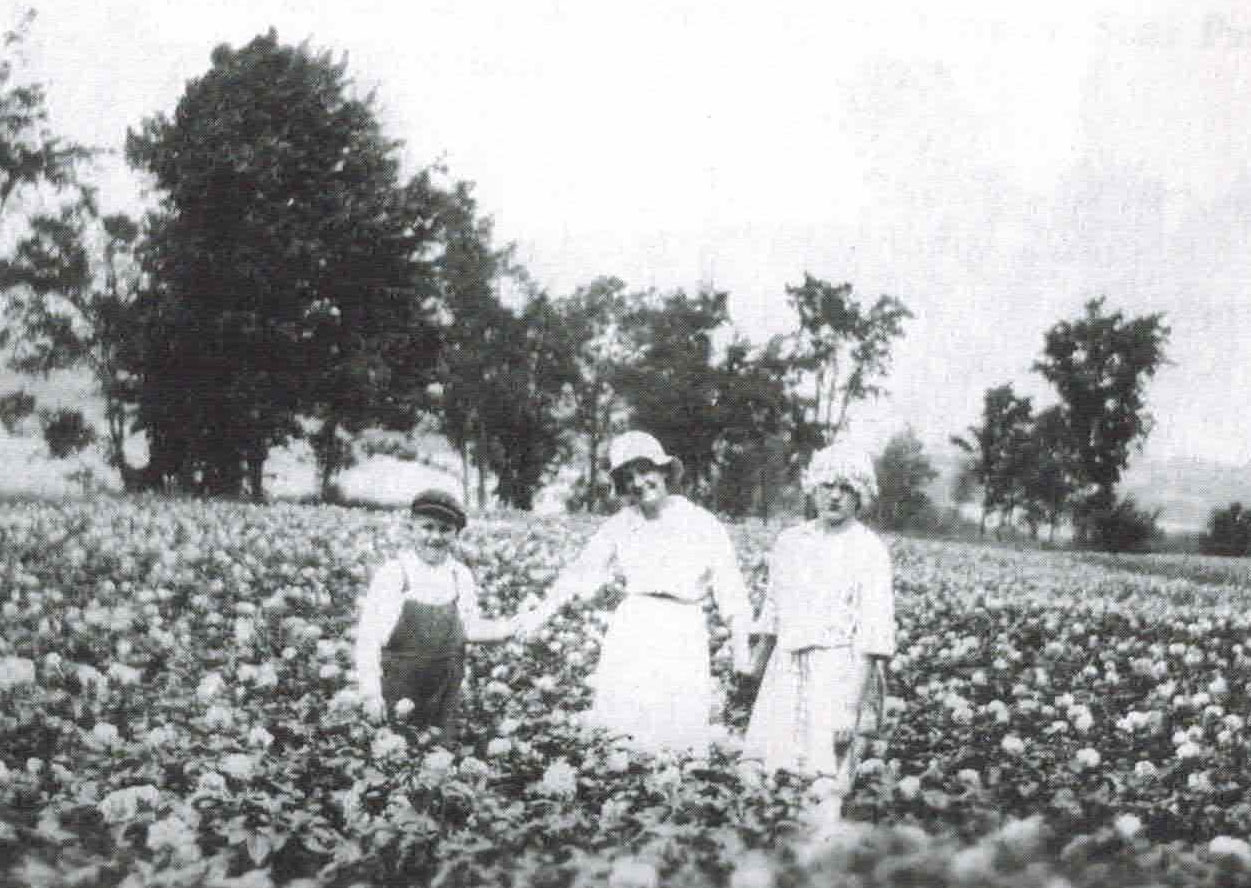
Castleton’s Poor Farm potato field, located where Crystal Beach is now on Lake Bomoseen), c. 1913. From Lake Bomoseen: The Story of Vermont’s Largest Little-Known Lake. Courtesy of Carol Thompson.

Originally published in the Times Argus/Rutland Herald Weekend Magazine, July 16, 2022 for the “Remember When” column with the title, A reverence for God, the hope of heaven, and a fear of the poorhouse

When Mrs. K. Lottie and her fourteen-year-old granddaughter were moved out of their cellar abode on Berlin Street, Montpelier, in February 1922, they didn’t go willingly. City officials, however, believed the two women would be better cared for on the town-managed poor farm on Elm Street. 

As Mrs. Lottie and her granddaughter were moving into their new “home” forty miles away, William Seeley was setting himself free from his. The “straight as an arrow” 72-year-old was done with sleeping on a straw mattress in a building on Goodrich Road that used to house smallpox patients. Having “every inclination to work,” he went in search of a better life than the one he was living on Burlington’s poor farm. But soon Mr. Seeley found himself in jail – where “tramps and vagabonds” were often sent at the time – arrested for the crime of vagrancy. Suddenly, the poor farm may not have seemed so bad. 

Continue reading
For sale to the highest bidder: When Vermont church pews were considered personal real estate

Originally published in the Times Argus/Rutland Herald Weekend Magazine on 2.19.22 in the Remember When column with the title “Church Pews for Sale or Rent”

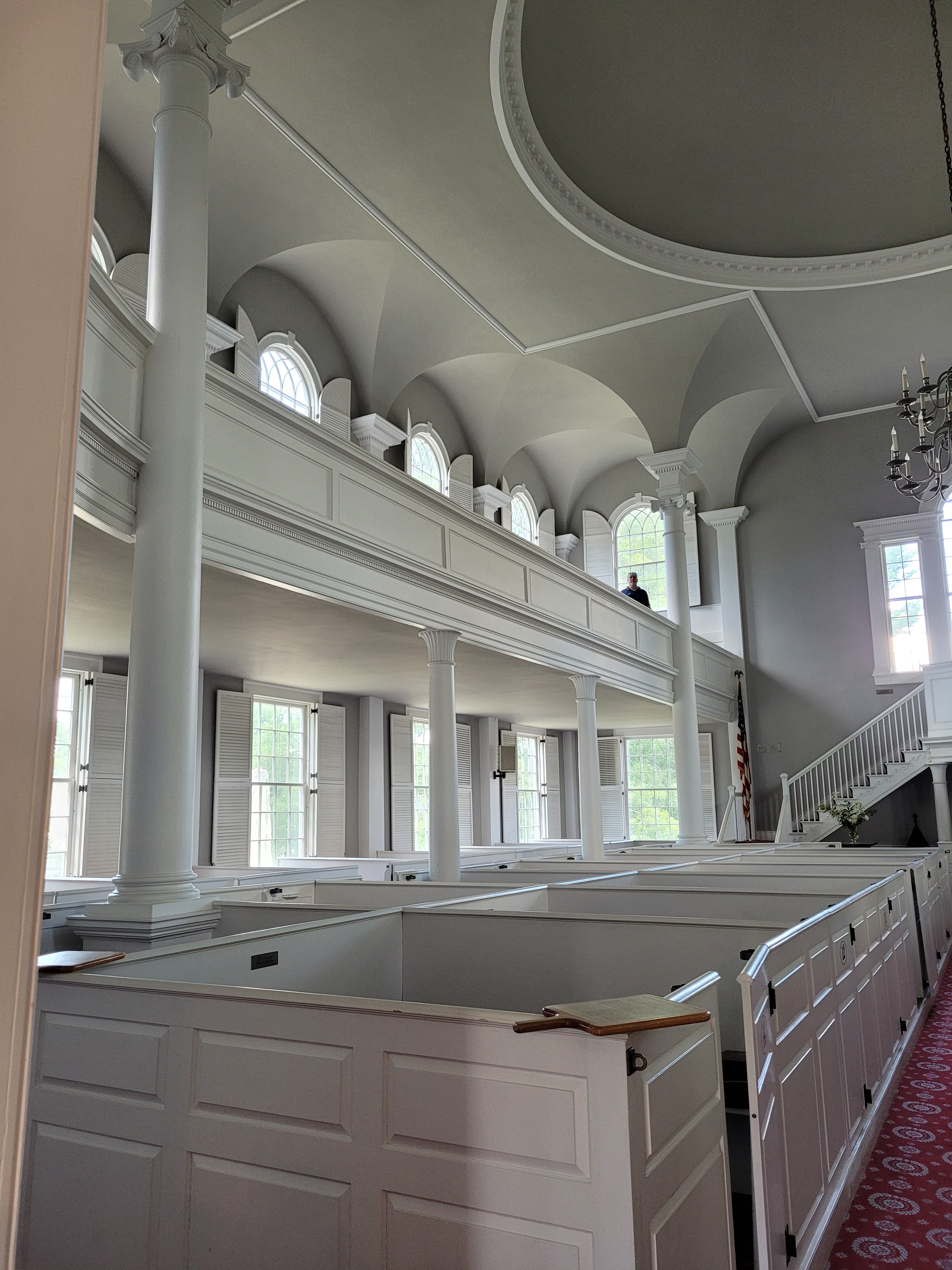
Old First Church, Bennington, Vermont. Photo credit: Joanna Tebbs Young

On Nov. 25, 1835, Mr. Seth Shaler Arnold wrote in his diary: “Attended the sale of the pews in new Meeting house Westminster. Bid off one for Esther — two for father and one for myself and Mr. Ruggles.”

Two years later in June, he wrote: “Settled with Mr. Ruggles. Bought his share of ⅓ of pew No. 8.” And by August, Mr. Arnold was musing on the fact that “Mrs. Cobb commenced sitting in my father’s pew and then changed to mine — Mrs. Nutting has sit (sic) there more than a year. And Mr. Hollis Wright’s family have just commenced sitting there. The two former at 75 ct. each and the latter at about 2 dollars.”

Buying church pews? Renting them out? What was going on here? What might appear socially discriminatory (or morally questionable) to the modern eye, was an economic necessity at a time when communities were establishing themselves in a young New England.

Continue reading

Happy 100th to Windsor, Vermont’s Namco Block Apartments

Originally published in the Times Argus/Rutland Herald Weekend Magazine in December 2021 in the “Remember When” column with the title “One Hundred Thanksgivings.”

In November 1921, the Johnson family, formerly of Springfield, Vermont, enjoyed  Thanksgiving in their new, cozy, light-filled rooms overlooking Mill Brook in Windsor. They had moved to the not-quite-finished Namco apartments earlier that year of 1921, and in doing so marked their name down in history — or at least in the April 29th edition of the Vermont Journal — as the very first tenants of the then largest residential building in New England. 

The Namco block (now Union Square), the majestic red-brick apartment building at the corner of Windsor’s Union and Main Streets, was built in 1920 by the L.A. LaFrance Company of Holyoke, Massachusetts. Originally designed as family housing for the employees of the National Acme Company (Namco), it is an architectural surprise, seemingly out-of-place in a small Vermont village. With its rows of bow windows “undulating… along… [its] extremely long facade,” as a National Register of Historic Places report describes it, is as much an impressive sight now as it surely was a century ago. 

Continue reading