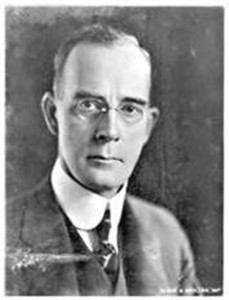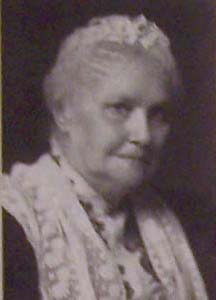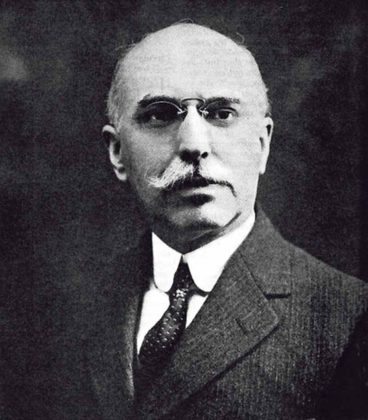
Barstow Memorial School in Chittenden is, according to many, one of the finest in the state. For a rural town buried in the hills of Green Mountain National Forest, this seems a little surprising. But the fact that this school is just one part of a legacy left by a family of philanthropists, headed by a man of whom it was said, “To know (him) was to admire him; to know him well was to love him,” may help explain why Chittenden is rich in offerings as well as beauty.
Continue readingVermont History
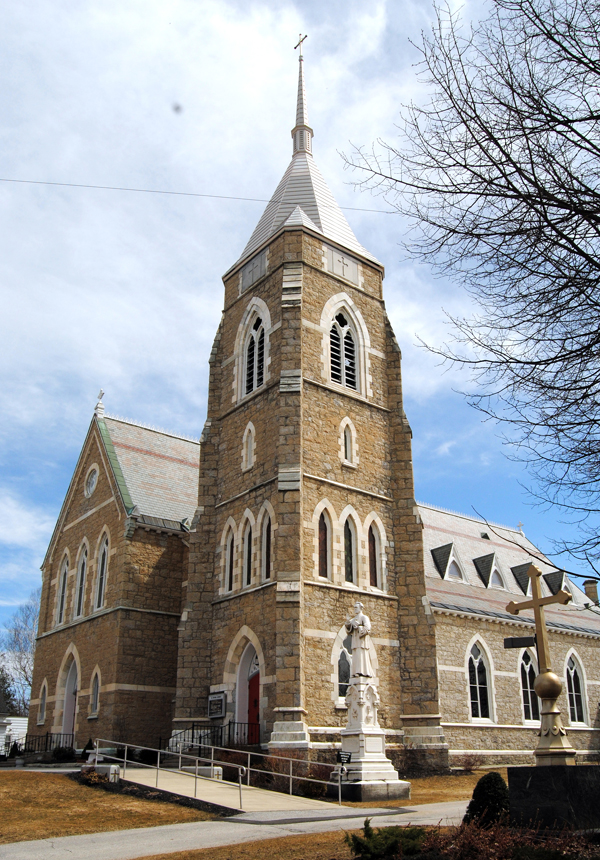
Rutland’s Catholic churches’ foundations of rock
Today, a Rutlander’s choice of church isn’t determined by their country of origin or native tongue. All churches now reflect the community in which they reside: a homogeneous melting pot of those who call themselves Americans. But not so long ago — the century spanning from approximately 1830 — this was not the case. Continue reading
Vermont Eugenics, the Rutland connection
“One eugenical scheme to purify the state’s polluted protoplasm was bring in a better class of Vermonters — tourists and summer homeowners.”
What is one of the first things you notice when you cross the border back into Vermont? No billboards, right? What about the other features we take for granted: tourist information booths, great hiking trails, summer homes — many, many summer homes — cabins, cottages and even a few mansions. Yes, our tourist industry is one of the major things that keeps Vermont on the map. We have a brand that, thanks in part to various movie references across the decades, is known even internationally. And we are proud of it.
But what if I told you this tourist industry had racist and socially discriminatory roots? That even the construction of Route 7 and the improvement of other highways starting in the 1930s were to make our state more attractive and accessible to the “right” people”? Continue reading
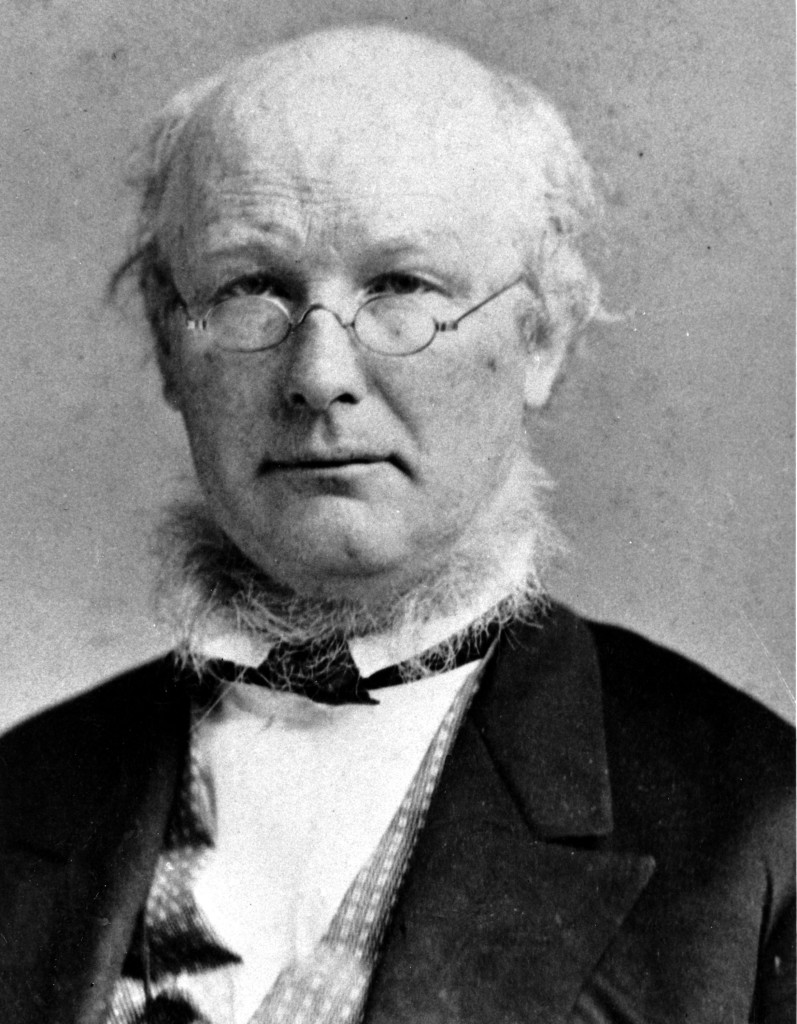
Poultney’s Writing Man: Horace Greeley
Did you know there could have been a third president with a claim to Vermont?
In 1872, one Horace Greeley, formerly of West Haven and East Poultney, a Liberal Republican candidate endorsed by the Democrats, ran against Ulysses Grant, whom he had formerly supported. Ridiculed by Republicans and attacked in the political cartoons of Thomas Nast in Harper’s Weekly as an extremist and turncoat — he campaigned to pull the Federal troops out of the South arguing the war and slavery were over and that the people should now essentially govern themselves — he only received 43 percent of the popular vote.
Shortly after this defeat, his wife Mary died. Thirty days later, before the electoral vote was cast, Greeley also died, leaving him with the unfortunate distinction of being the only presidential candidate to ever die during the election process.
But this is hardly a fair claim to fame. Continue reading
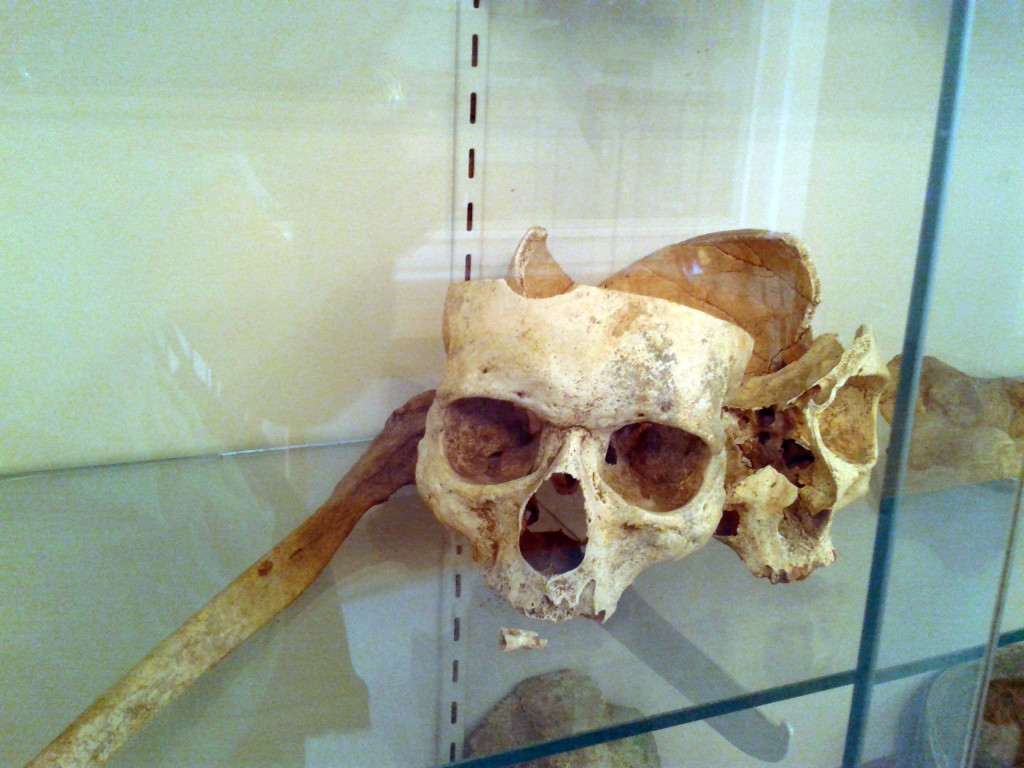
A Grave Story of Castleton State College

It may have been because I was expecting (hoping?) to feel something when I entered the basement of the Old Chapel on Seminary Street on the campus of Castleton State College — my stomach flipped. A strange sensation of, not fear, but what? Unease. A slight pressure inside.
While it may not be its original cellar hole — the building had been moved from its original site on Main Street and, as such, is hardly a representation of its former self — the air, it felt, well … just different.
Apparently I’m not the only person who has felt something unusual.
Continue readingMeigs & Farr: Touching the lives of children
I thought this was just going to be a story about two early-20th-century Brandon women who made great contributions to our state. And it still is. But there’s a twist — one that found me reading a conspiracy theory about Howard Dean. Continue reading
Berenice R. Tuttle: A force to be reckoned with
One of my favorite buildings in Rutland, one I was thrilled to see renovated, is the Tuttle Building on Center Street. The wide central staircase is gorgeous. That it disappears into a false ceiling adds an air of mystery, prompting me to turn in my imagination to a time when slick-haired, ink-smudged men were hurrying up and down, stacks of paper in arm. And apparently there was also at least one long- (or maybe a not so long-) skirted woman. Continue reading
Julia Dorr: Vermont’s most famous and best loved poets
I knew Julia Dorr’s name. I’ve parked in front of the library and Grace Church enough times for the name atop the green historical marker to bury itself somewhere in my subconscious. But when I looked up her name in preparation for writing this article, I realized I hadn’t read what was on that sign with any attention at all.
You’d think I would have. Continue reading