(Originally published in the Rutland Herald/Times Argus “Weekend Magazine,” March 23, 2024)
In the late 19th century a rivalry arose between the Midwest and East of the United States — over the weather. Newspapers in the Dakotas in particular liked to make fun of New England’s supposedly awful winters, which, compared to theirs… well, didn’t. Snarky quips, such as these from Redfield (South Dakota) Journal, were sometimes printed in the papers: “Liartown, N.Y…. citizens have made tunnels along the sidewalks and at the crossings by eating the snow as they proceeded.” And: “A woman at Pittsfield, Vt. went out… the blizzard overtook her. She was blown to atoms.”
The West’s one upmanship was mostly justified. Especially in 1888, when a massive and unexpected January storm — which became known as the Children’s Blizzard — killed hundreds of people, many of them school children and teachers, who, on a day that had started springlike, found themselves walking home in sudden frigid temperatures in a raging blizzard.
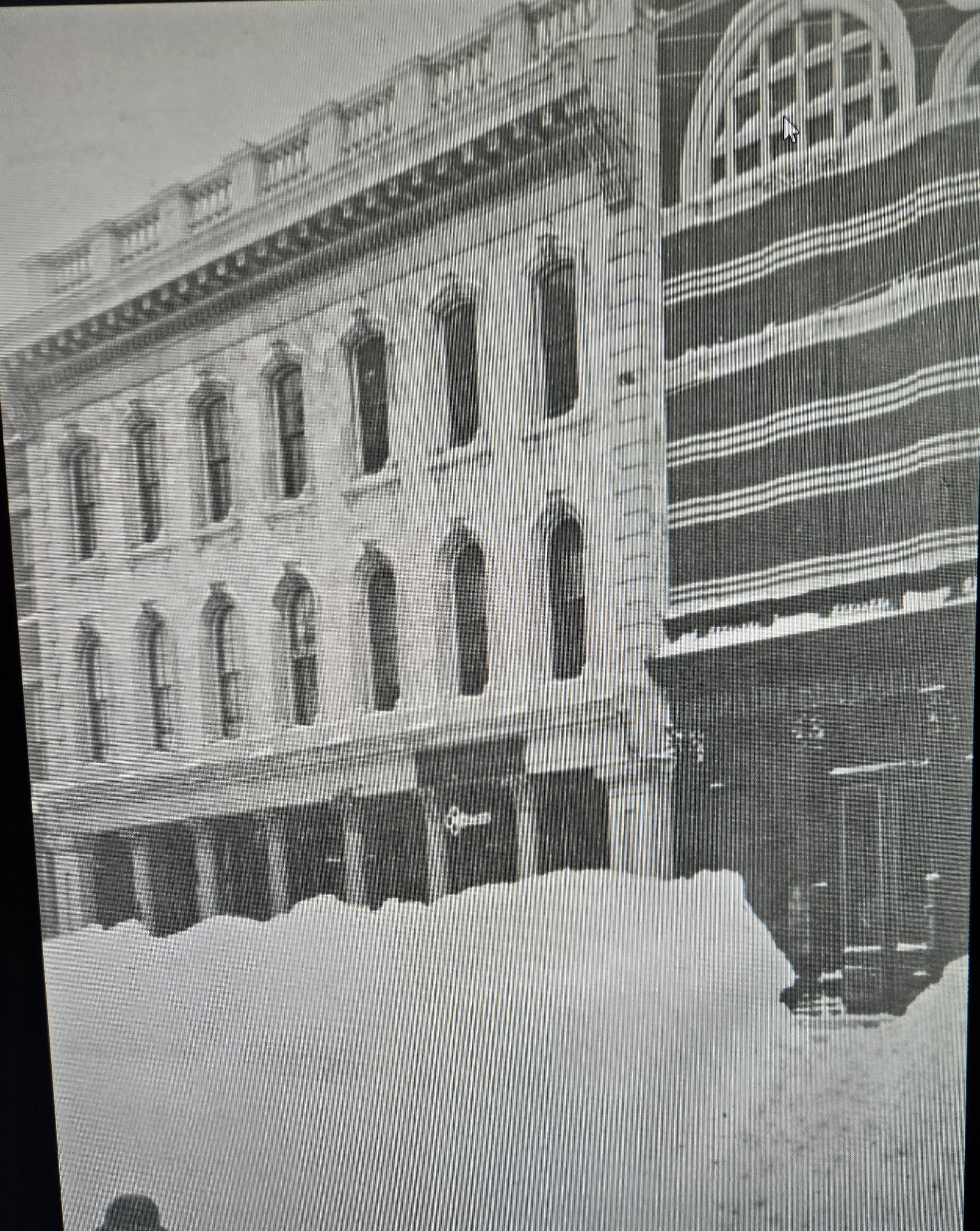
But two months later, on March 12, 1888, the East saw the start of a storm that not only rivaled the Midwest’s, but one of the biggest snowstorms in US history and by far the worst Vermont had/has ever recorded. The storm even prompted the Minnesota Journal to declare that “the Dakotan may thank his lucky stars that he does not live in the storm-ridden East.”
…..
Read the full article at Joanna Writes History, my free Substack site